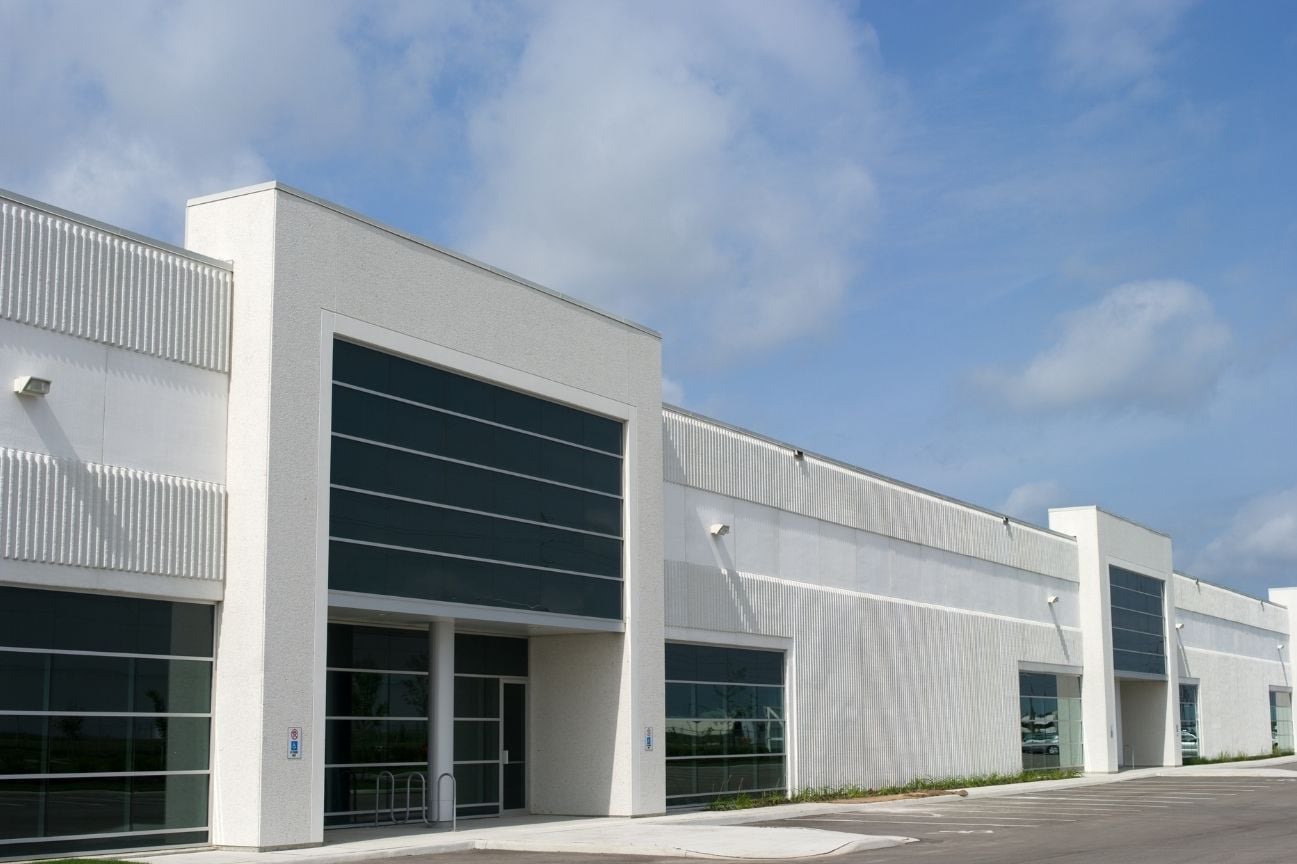
Retail properties carry inspection considerations that are distinct from office, industrial, or multifamily assets. Public access, exterior storefront systems, large parking fields, rooftop HVAC, and tenant-specific build-outs all influence how a retail building should be evaluated. Core Building Inspections performs retail property inspections for shopping centers, single-tenant net-leased buildings, restaurants, and big-box retail across the Philadelphia metro area and the broader PA, NJ, NY, and DE region.
Our retail inspections are performed in general conformance with ASTM E2018 and are structured to support acquisition due diligence, refinancing, triple net lease audits, and ongoing asset management. As CCPIA, ICC, and ASTM-credentialed commercial inspectors, we evaluate the systems, site features, and tenant conditions that influence both transaction value and long-term ownership cost.
Every retail asset has a different profile. A single-tenant pharmacy, a neighborhood strip center, an anchored shopping center, and a restaurant pad site each require a tailored inspection approach. We scope each engagement to the asset, the lease structure, and the transaction.
Retail assets are evaluated through the lens of public exposure, tenant operations, and the lease structure that governs who is responsible for what. A single-tenant NNN drugstore on a 25-year corporate lease is a very different inspection than a 60,000-square-foot grocery-anchored center with rotating in-line tenants.
The same systems show up across most retail buildings — rooftop HVAC, single-ply or built-up roofing, large asphalt parking fields, illuminated signage, and storefront systems — but the way each system is loaded, maintained, and aged varies significantly by tenant type and lease structure.
Our retail inspections capture both the physical condition of the asset and the practical risk areas that influence underwriting, leasing, and capital planning.
Most retail buildings have low-slope membrane roofs with significant rooftop equipment loads. We evaluate the membrane, flashings, equipment curbs, drainage, and parapets, and provide a professional opinion on remaining useful life. Roof condition is one of the most common capital concerns in retail and frequently appears in triple net lease disputes.
Retail HVAC is predominantly packaged rooftop units. We evaluate apparent age, configuration, and observable condition, and identify units approaching the end of their useful life. RTU replacement is a recurring capital item, especially in older retail centers.
Storefront glazing, masonry, stucco, EIFS, sealants, and entrances are reviewed for weather tightness and deterioration. Storefront condition has both functional and curb-appeal implications for retail leasing.
Service capacity, distribution panels, exterior lighting, and visible wiring are reviewed. Retail centers often have demanding electrical loads tied to signage and tenant equipment.
Domestic water, sanitary waste, restroom fixtures, and visible plumbing are evaluated. For restaurant and food-service tenants, grease interceptors and high-use plumbing are noted at an observational level.
Sprinkler systems, alarm systems, emergency lighting, exit signage, and means of egress are reviewed.
Parking lots, sidewalks, curbing, drainage, exterior lighting, signage, landscaping, and pylon signs are reviewed. Asphalt condition and parking lot rehab costs frequently drive capital planning conversations in retail.
Public-facing retail draws heightened ADA scrutiny. We identify observable accessibility concerns at parking, routes of travel, entrances, and restrooms. For a focused accessibility review, see our Accessibility Inspections page.
Several risk areas come up repeatedly in retail inspections. Aging rooftop HVAC and end-of-life roofing are nearly always part of the capital conversation. Parking lot condition — sealcoating, crack repair, and full overlay timing — drives meaningful near-term spend. Pylon and monument signage, exterior lighting, and storefront sealants are commonly deferred and surface during due diligence.
Restaurant, gas station, dry cleaner, automotive, and other use types carry environmental risk that may warrant a separate Phase I Environmental Site Assessment. Where a retail center has had historical or current high-risk tenancy, we flag the consideration in our report.
Retail capital planning revolves around predictable cycles: roof replacement, RTU replacement, parking lot overlay, and exterior repaints or storefront refreshes. Our reports provide professional opinions on remaining useful life and identify the line items that should be reserved for. For owners evaluating a major asset or portfolio, this connects directly to our Property Condition Assessment scope.
For triple net lease arrangements, our inspections support both landlord and tenant by clearly documenting condition at a point in time. Where a transaction or lease event is driving the inspection, we coordinate with our Triple Net Lease Inspections service.
Our retail inspection clients include commercial real estate buyers and sellers, single-tenant NNN investors, REITs, private investors, banks and credit unions, restaurant franchisees, attorneys, brokers, and asset managers. Reports are structured for transaction use and ongoing portfolio management.
We provide retail property inspections throughout the Philadelphia metropolitan area, all of New Jersey, New Castle County in Delaware, and select markets in New York. Our regional focus supports investors and operators with single-asset and multi-asset retail portfolios.
For more on the standard guiding commercial retail PCAs, see ASTM E2018.



Certified under nationally recognized commercial inspection standards to ensure consistency, accuracy, and professional accountability.

CCPIA Certified
Certified under nationally recognized commercial inspection standards to ensure consistency, accuracy, and professional accountability.

ICC Certified
Ongoing education and training aligned with current safety practices, codes, and inspection methodologies.

ASTM Member
Inspections performed in general conformance with ASTM standards, supporting due diligence and lender requirements.

Years of Experience
Extensive field experience inspecting diverse commercial properties across multiple asset types and markets.

Highly Trained
Continuous training and practical expertise focused on risk identification, system performance, and long-term planning.
Yes. Single-tenant net-leased retail is one of the most common asset types we inspect. Reports are structured to support investor due diligence and lender underwriting on these transactions.
Yes. We inspect anchored and unanchored shopping centers, evaluating the shell building, common areas, site, and a representative sample of in-line tenant spaces.
Yes. Rooftop HVAC units are one of the most common capital items in retail. We provide a professional opinion on apparent age and remaining useful life for each observable unit.
Yes. We inspect restaurants, quick-service retail, gas stations, and automotive properties. Where environmental concerns are present, we may recommend a separate Phase I Environmental Site Assessment.
Yes. Retail inspections are frequently used to document condition at lease inception, mid-term, or at lease expiration. We routinely support landlord and tenant clients in these scenarios.
A single-tenant pad site or small strip center is typically a single-day site visit with report turnaround in roughly one to two weeks. Larger anchored centers may require additional time depending on size and scope.
