Accessibility compliance presents both legal and financial risk for commercial property owners. Core Building Inspections performs observational accessibility evaluations designed to identify commonly encountered barriers and potential areas of non-compliance under ADA guidelines.
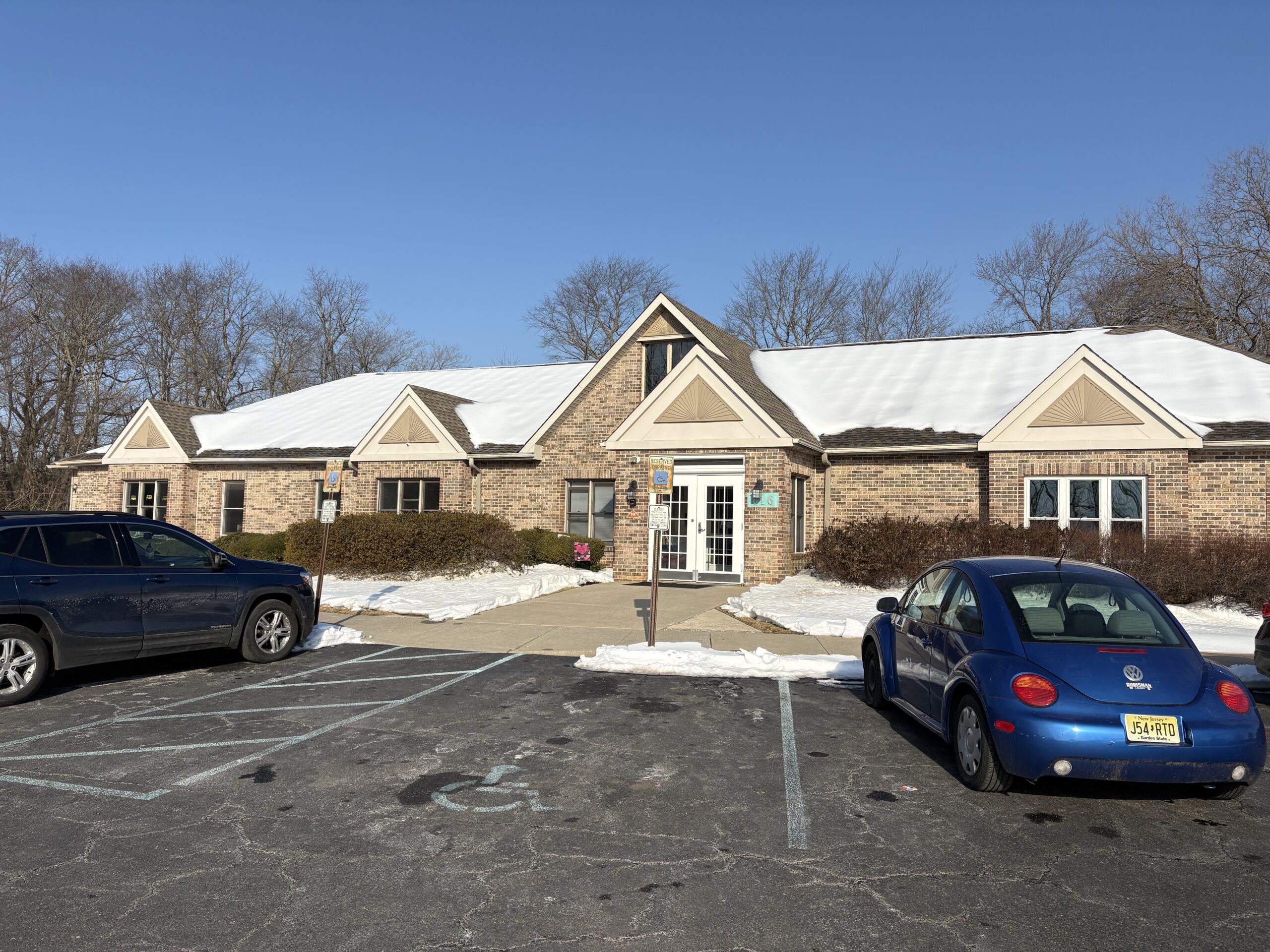
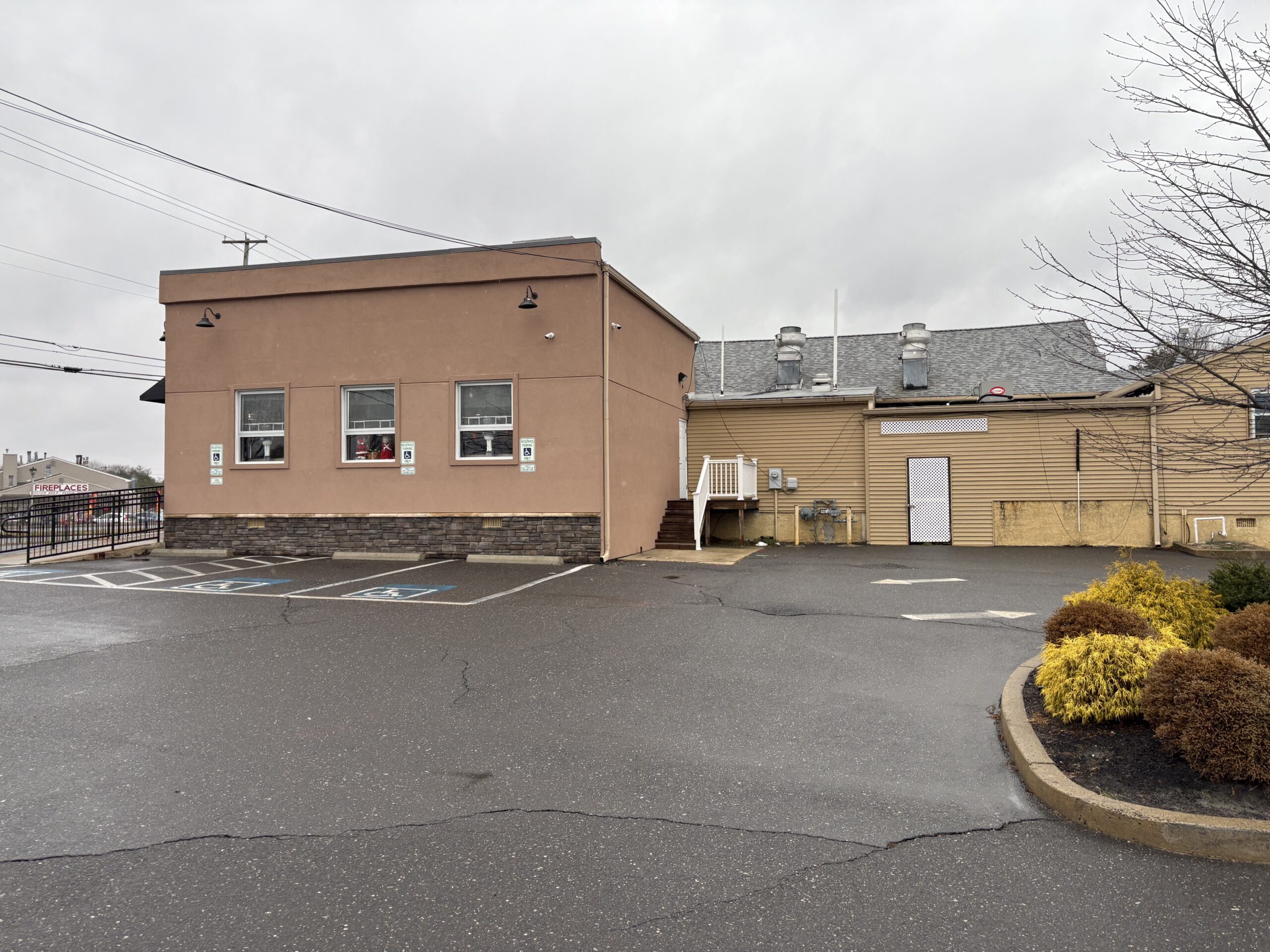
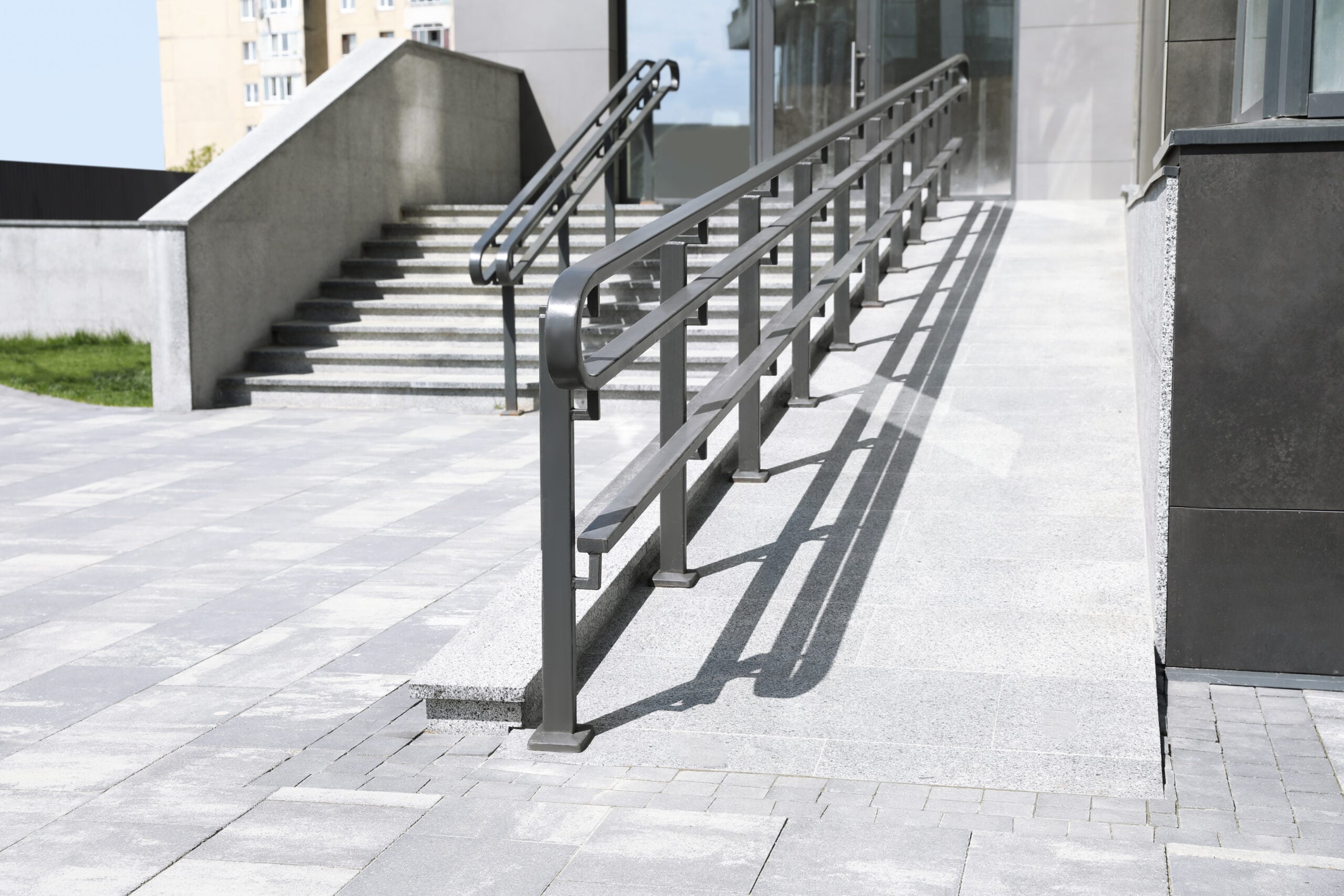
Our inspections focus on readily observable conditions, including parking, building access, routes, entrances, restrooms, and public spaces. Findings are presented in a practical, risk-based format that supports ownership decisions and lender awareness. We do not provide legal determinations of compliance. Instead, we identify observed issues and recommend further evaluation where appropriate.
An ADA Accessibility Survey is a specialized evaluation of a commercial property to identify physical accessibility barriers, potential Americans with Disabilities Act (ADA) exposure, and areas of non-compliance that may require correction. At Core Building Inspections, we provide objective, non-invasive ADA Accessibility Surveys designed to support commercial real estate transactions, risk management, and capital planning.
We perform ADA Accessibility Surveys throughout the Philadelphia metropolitan area, across South, Central, and North New Jersey, Northern Delaware, and select markets in New York. Our surveys are commonly used by lenders, buyers, property owners, attorneys, and asset managers who need a clear understanding of accessibility conditions and potential liability prior to acquisition, refinancing, or redevelopment.
An ADA Accessibility Survey is a systematic review of a property’s readily observable accessibility features as they relate to the Americans with Disabilities Act of 1990 (ADA) and applicable accessibility standards, including the 2010 ADA Standards for Accessible Design.
The purpose of an ADA survey is to:
Unlike code enforcement inspections, an ADA Accessibility Survey is not performed on behalf of a regulatory authority. Instead, it is a due diligence and risk management tool used to help stakeholders understand potential exposure and plan corrective actions.
ADA compliance is a significant concern for commercial property owners and investors because ADA enforcement is complaint-driven and violations can result in costly remediation, legal expenses, and operational disruption.
ADA issues commonly arise during:
Many accessibility deficiencies are not immediately obvious to untrained observers, yet they can create meaningful legal and financial exposure. An ADA Accessibility Survey helps identify these issues before they become a problem.
Our surveys focus on common areas, site features, and readily accessible building components that most frequently contribute to ADA risk. The scope is tailored to the property type and use, but commonly includes the following:
Site and Exterior Accessibility
Building Entrances
Interior Common Areas
Restrooms (If Applicable)
Tenant and Public Interface Areas
Our surveys are non-invasive and limited to readily observable conditions. Concealed conditions and operational testing are beyond the scope and are clearly identified as limitations.
It is important to distinguish an ADA Accessibility Survey from a municipal code inspection.
An ADA survey:
Our role is to identify observable barriers and potential concerns, not to issue citations or approvals. This approach aligns with how ADA surveys are used in commercial real estate transactions and asset management.
Our ADA Accessibility Survey services are commonly utilized by:
These surveys are often paired with Property Condition Assessments (PCA) to provide a more complete picture of physical risk and deferred obligations.
One of the most valuable aspects of an ADA Accessibility Survey is its role in capital planning. Identified accessibility barriers can be prioritized and incorporated into future improvement schedules.
When appropriate, our reports may:
While we do not provide engineering or design services, our observations help clients understand where ADA-related capital expenditures may be required.
Core Building Inspections provides ADA Accessibility Surveys across a broad regional footprint, including:
This regional coverage allows us to support multi-state portfolios while maintaining familiarity with common building types and layouts throughout the region.
ADA surveys require more than a checklist approach. We understand how accessibility issues intersect with real estate risk, ownership responsibility, and long-term capital planning.
Clients choose Core Building Inspections because:
Our goal is to provide useful, decision-oriented information, not unnecessary complexity.



Certified under nationally recognized commercial inspection standards to ensure consistency, accuracy, and professional accountability.

CCPIA Certified
Certified under nationally recognized commercial inspection standards to ensure consistency, accuracy, and professional accountability.

ICC Certified
Ongoing education and training aligned with current safety practices, codes, and inspection methodologies.

ASTM Member
Inspections performed in general conformance with ASTM standards, supporting due diligence and lender requirements.

Years of Experience
Extensive field experience inspecting diverse commercial properties across multiple asset types and markets.

Highly Trained
Continuous training and practical expertise focused on risk identification, system performance, and long-term planning.
No. This is an observational inspection, not a legal determination.
Owners, lenders, investors, and attorneys evaluating exposure and risk.
Yes. Accessibility reviews are often bundled with PCAs.
An ADA survey is not required by law, but it is a prudent due diligence measure to identify potential exposure and plan improvements.
No. ADA compliance is a legal determination. Our survey identifies observable barriers and potential concerns based on applicable standards.
No. Surveys are non-invasive and limited to visible and accessible areas.
Yes. Surveys are often updated following renovations, tenant changes, or significant site modifications.