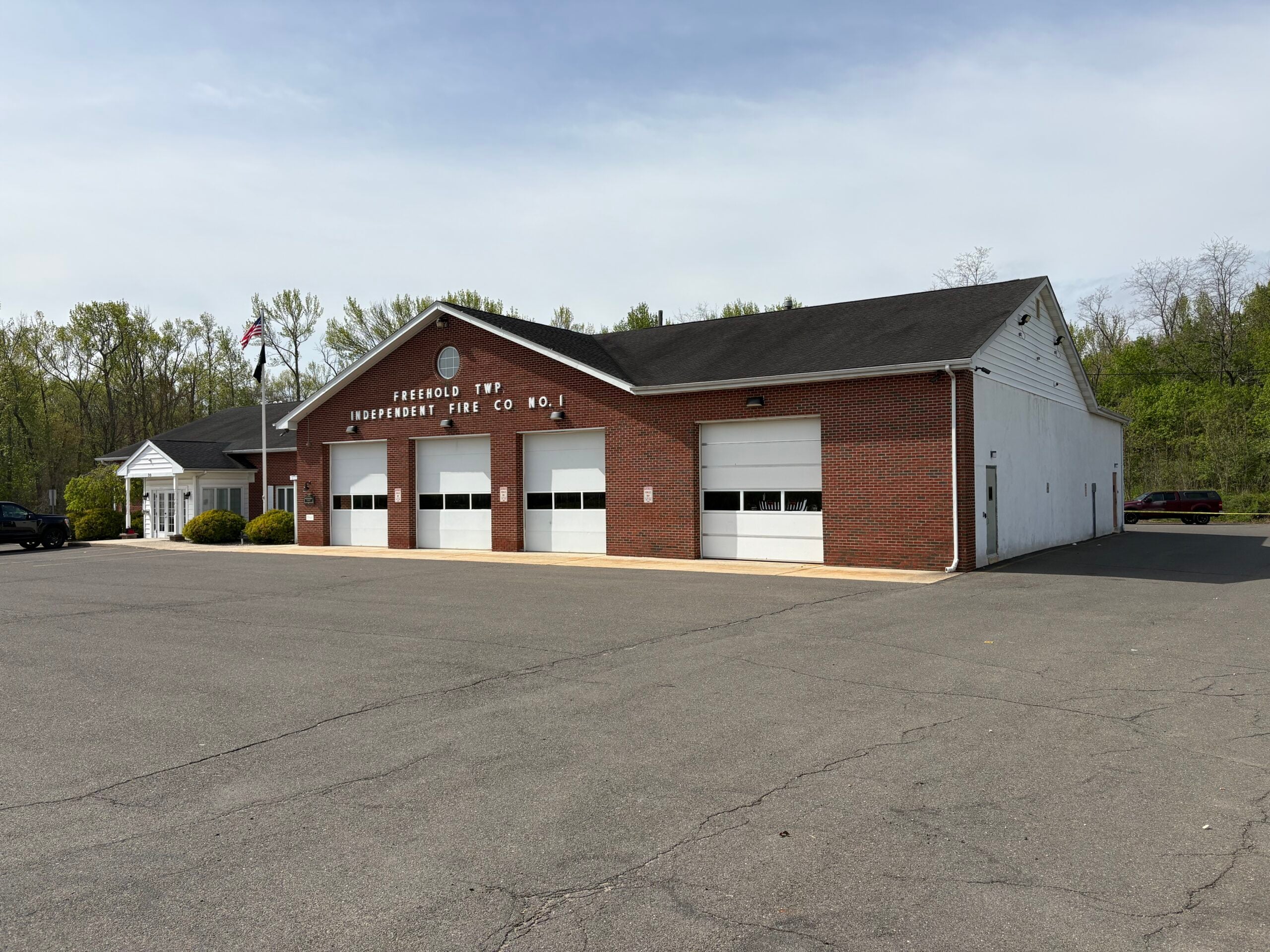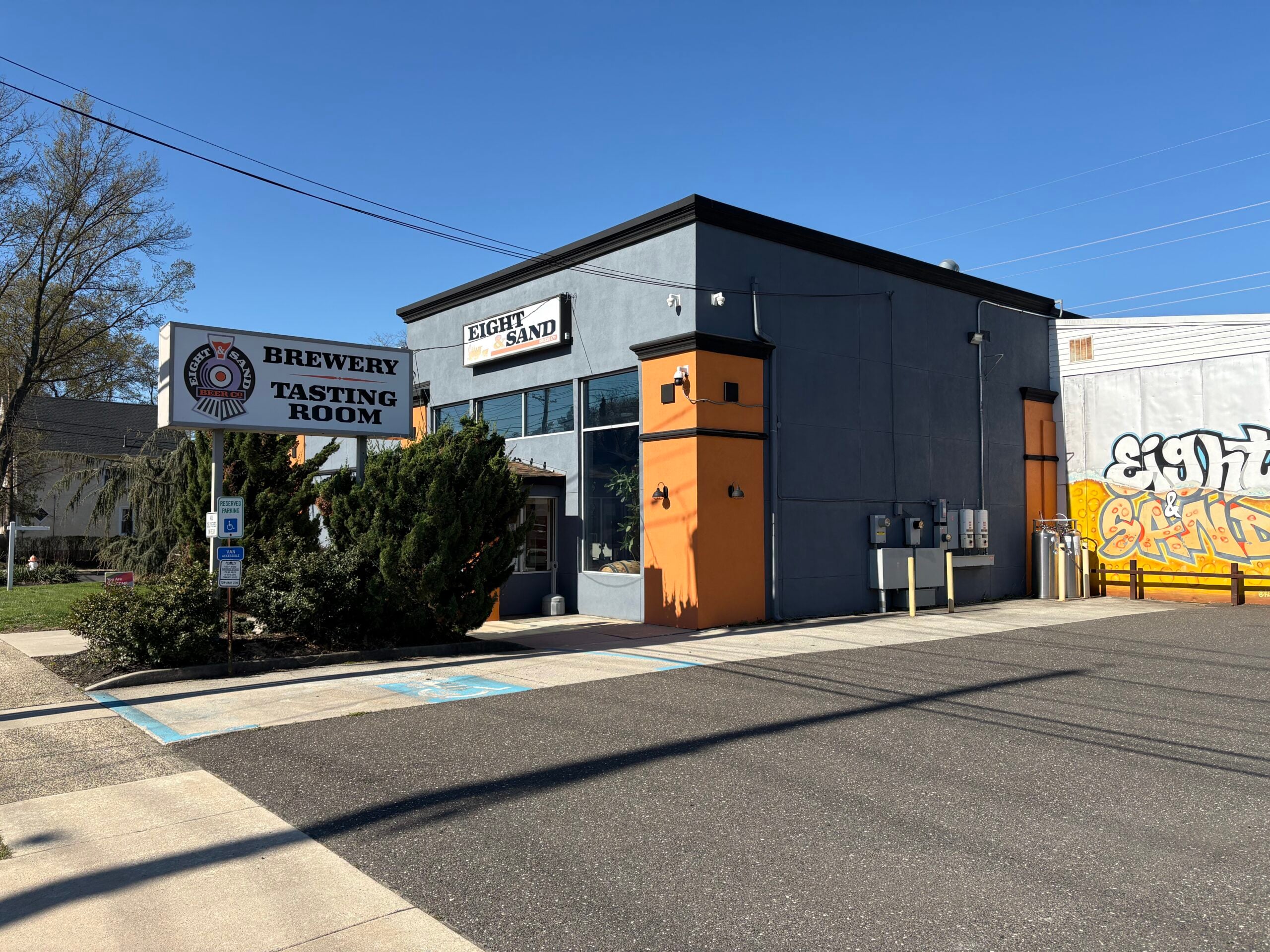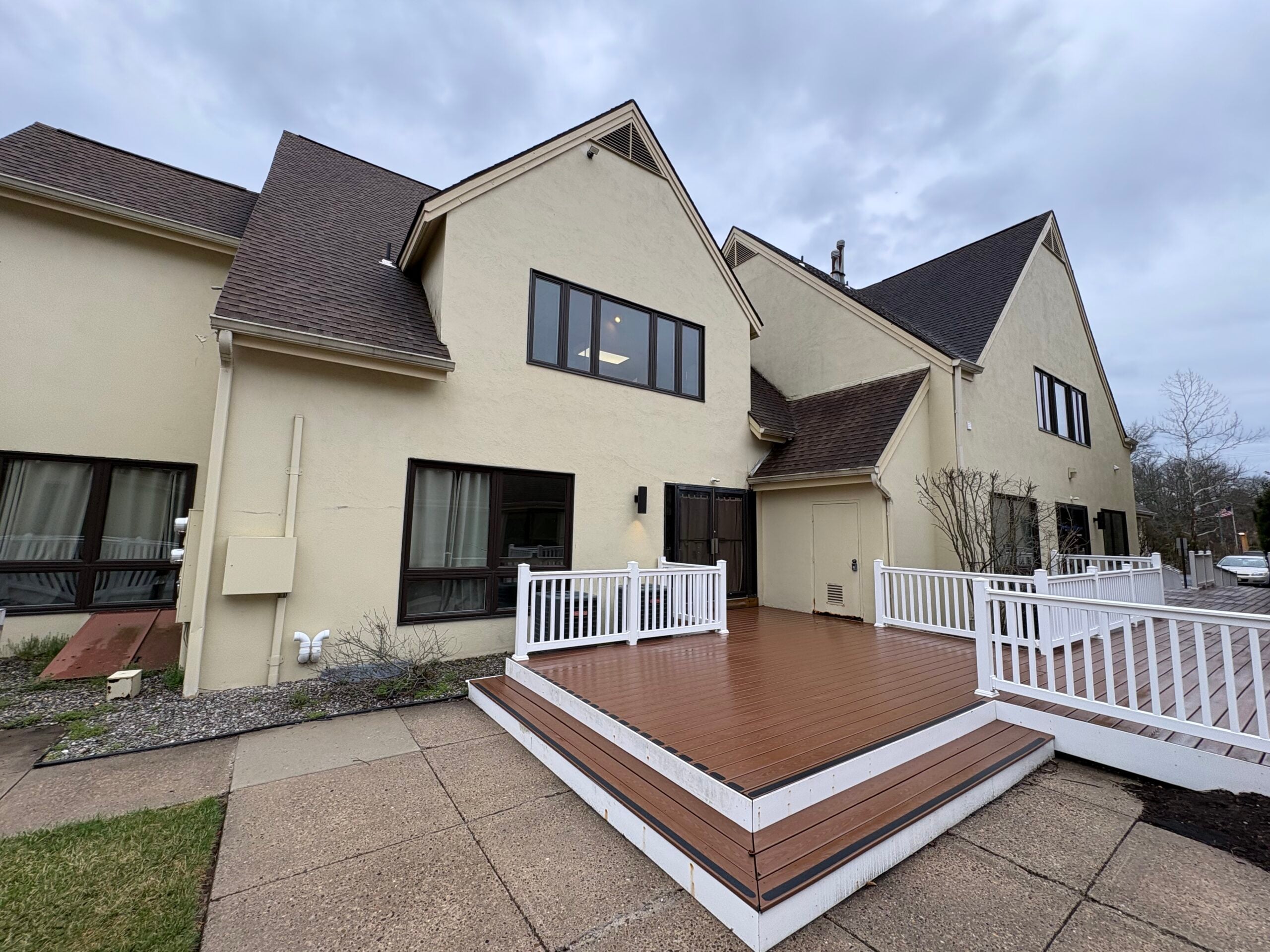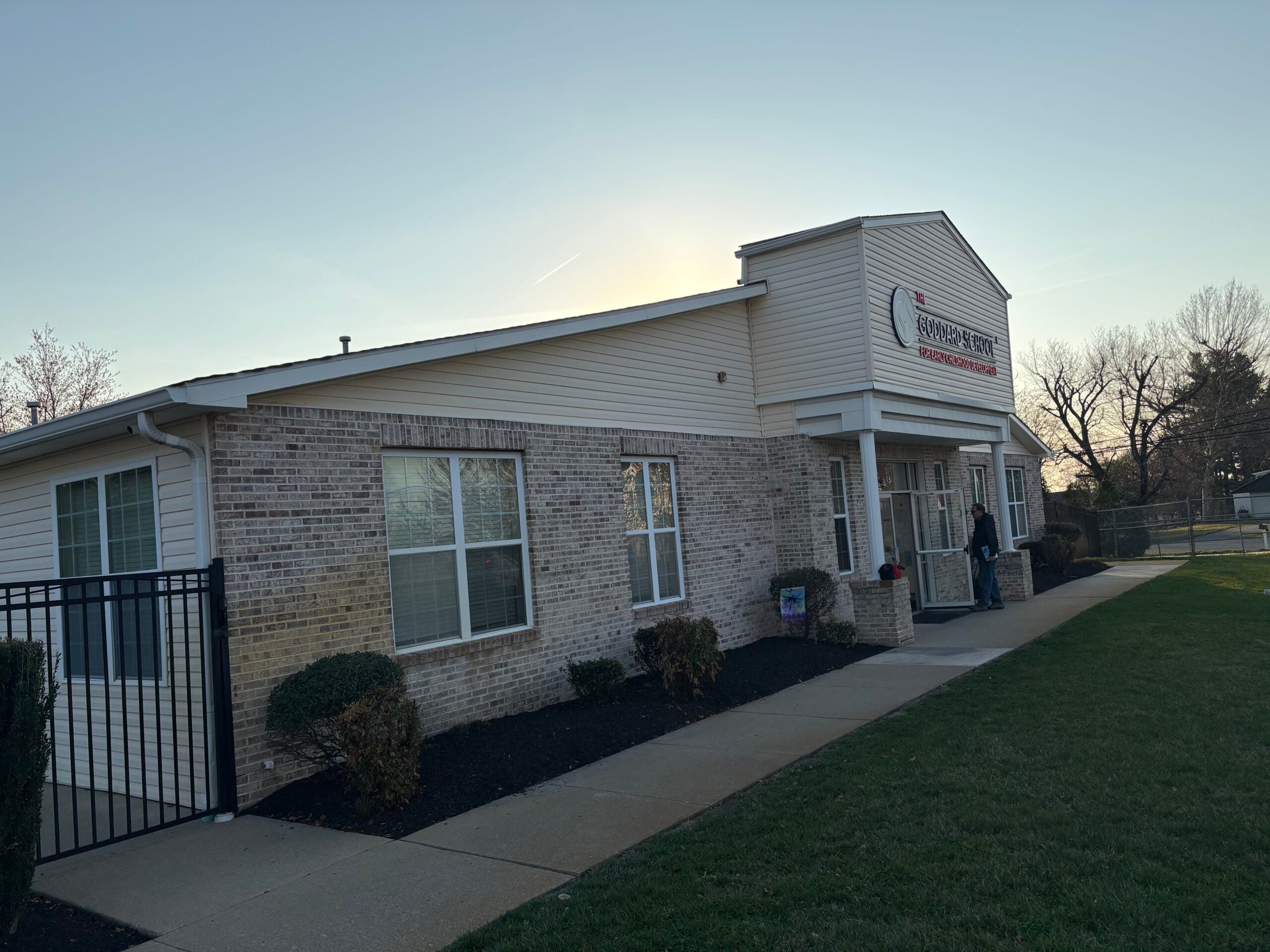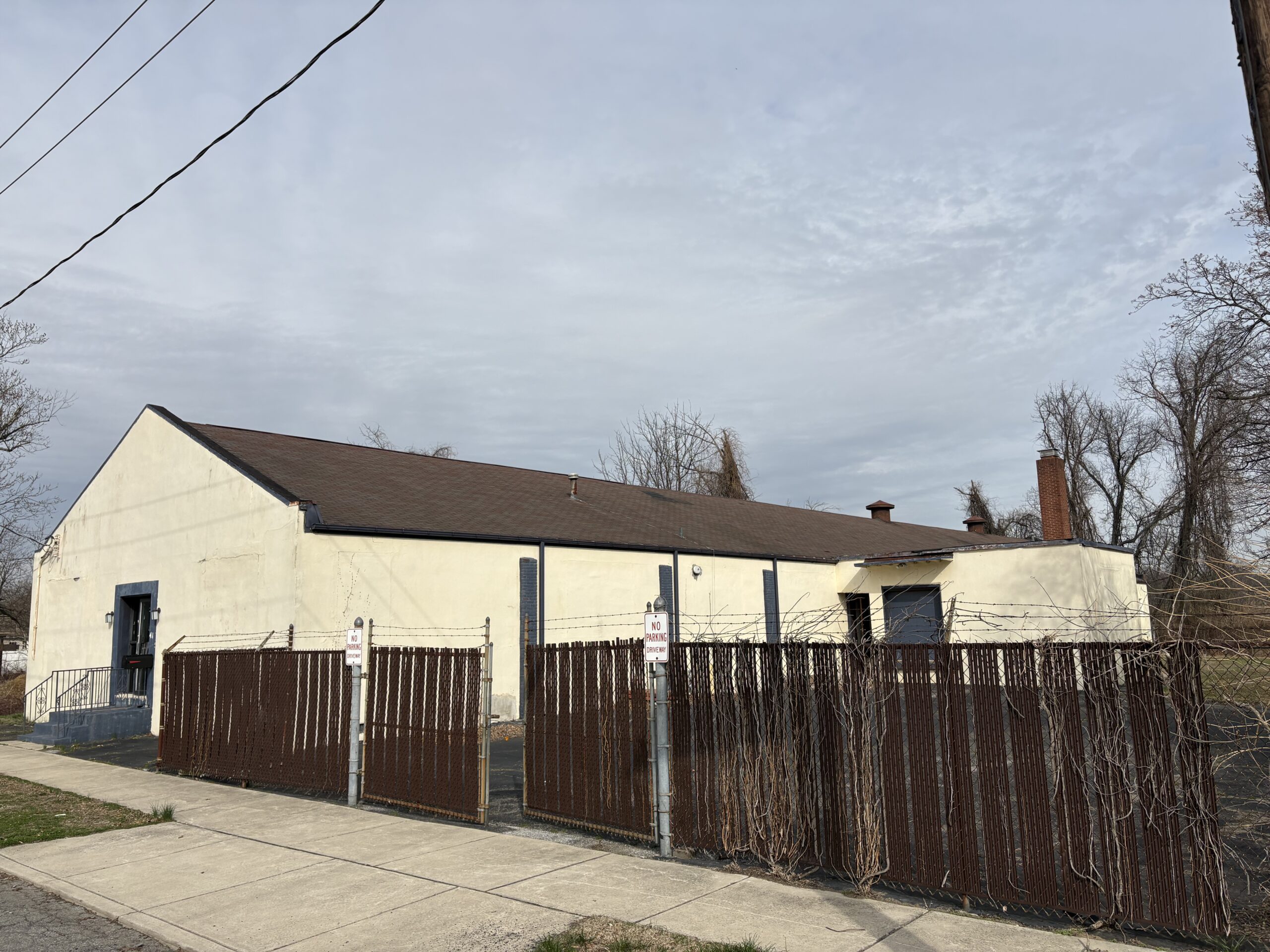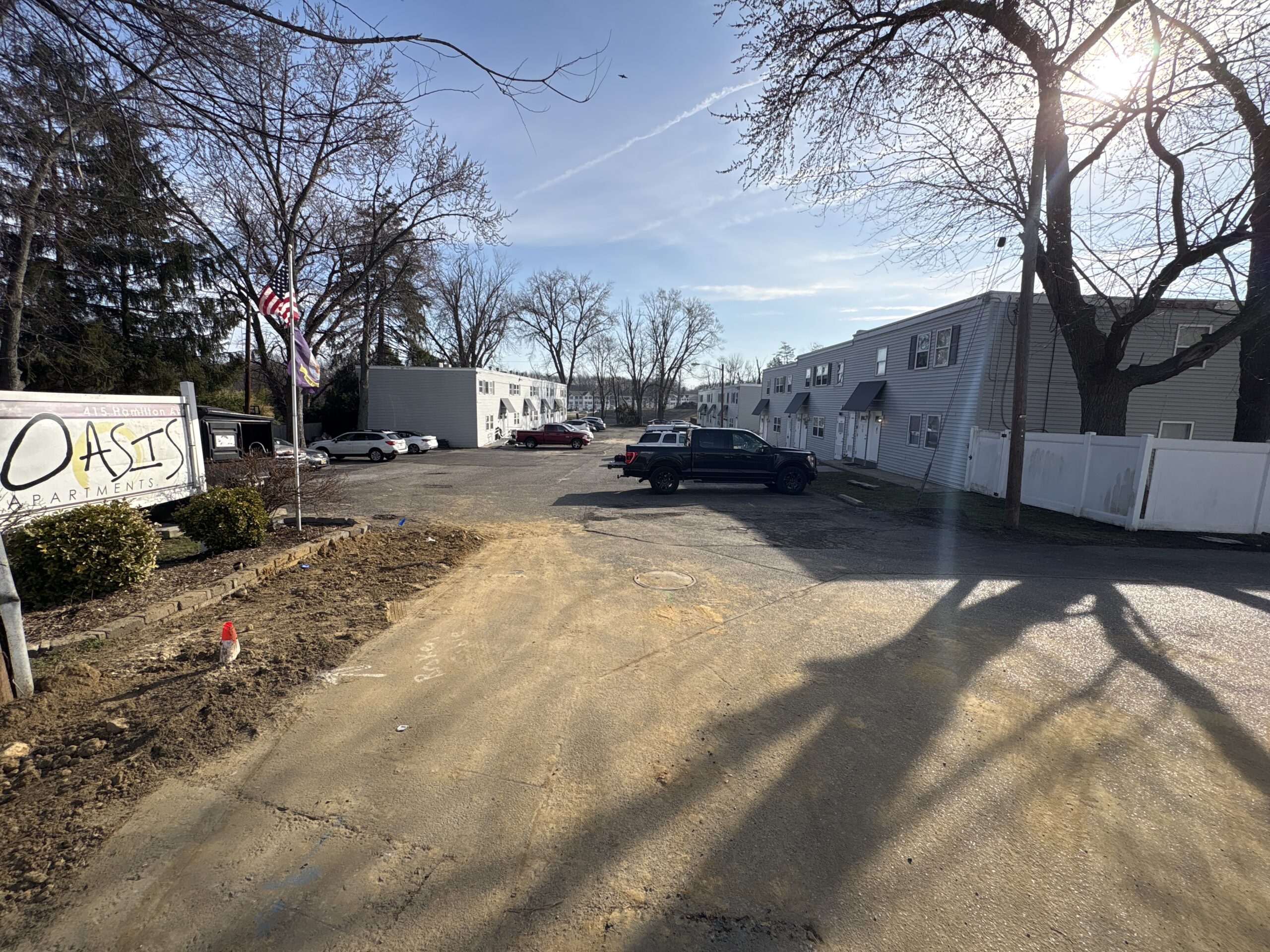

Our Commercial Building Inspections provide a comprehensive evaluation of a property’s physical condition, focusing on readily observable structural, mechanical, electrical, plumbing, roofing, and life safety systems. Inspections are performed using a methodical, standards-driven approach aligned with ASTM, CCPIA, and InterNACHI guidelines to identify material deficiencies, deferred maintenance, and potential areas of concern.
Each inspection delivers clear documentation, photographic evidence, and practical insights designed to help buyers, owners, and stakeholders understand building condition, assess risk, and make informed real estate decisions.
A Commercial Building Inspection provides buyers, investors, lenders, and property owners with a clear understanding of the physical condition and risk profile of a commercial property. At Core Building Inspections, we perform thorough, objective commercial inspections that go beyond surface-level observations to help clients make informed decisions before acquisition, financing, or long-term ownership.
We perform Commercial Building Inspections throughout the Philadelphia metropolitan area, across South, Central, and North New Jersey, Northern Delaware, and select markets in New York. Our inspections are designed for real-world commercial transactions—not residential checklists—providing practical insight into building systems, deferred maintenance, and capital risk.
A Commercial Building Inspection is a non-invasive, visual evaluation of a commercial property’s major building systems and site features. The purpose of the inspection is to identify observable deficiencies, material risks, and maintenance concerns that may impact value, safety, or future capital expenditures.
Unlike residential inspections, commercial inspections are:
They are often customized to match the size, age, use, and complexity of the property and may serve as a standalone service or as part of a broader due diligence effort.
Commercial properties are fundamentally different from homes. Systems are larger, usage patterns are more demanding, and repair decisions often involve significant capital outlays.
Our commercial inspections:
This approach ensures that inspection findings are relevant to negotiations, underwriting, and ownership planning.
Each inspection is tailored to the property, but most Commercial Building Inspections include evaluation of the following systems and components:
Structural Systems
Roofing Systems
Roofing is one of the most significant capital components of a commercial property, and our inspections focus on remaining serviceability, not just leaks.
Exterior Walls and Building Envelope
Building envelope deficiencies often contribute to long-term damage if not addressed.
Mechanical Systems (HVAC)
We identify systems that are approaching the end of their useful life and highlight capital planning considerations.
Electrical Systems
Commercial electrical inspections focus on capacity, condition, and maintainability, not code enforcement.
Plumbing Systems
Concealed components are noted as limitations, consistent with non-invasive inspection standards.
Fire and Life Safety Features
Our inspections identify observable conditions but do not replace formal fire code inspections.
Site Improvements
Site components are often overlooked yet can represent substantial repair or replacement costs.
These inspections are frequently ordered during:
One of the key benefits of a commercial inspection is its role in capital planning and negotiation.
Our reports help clients:
When needed, inspection findings can be expanded into a Cost Report or Capital Needs Assessment.
While a PCA follows ASTM E2018-18 structure and terminology, commercial inspections are often more flexible in scope and tailored to client needs. We help clients determine which approach is appropriate for their transaction.
Core Building Inspections provides Commercial Building Inspections throughout:
This regional coverage allows us to support both local buyers and multi-state investors.
Commercial inspections require experience beyond residential inspection practices. Our work is built around commercial risk assessment and real estate decision-making.
Clients choose Core Building Inspections because:
We focus on what matters most to buyers and lenders—not noise.

Certified under nationally recognized commercial inspection standards to ensure consistency, accuracy, and professional accountability.

CCPIA Certified
Certified under nationally recognized commercial inspection standards to ensure consistency, accuracy, and professional accountability.

ICC Certified
Ongoing education and training aligned with current safety practices, codes, and inspection methodologies.
ASTM Member
Inspections performed in general conformance with ASTM standards, supporting due diligence and lender requirements.

Years of Experience
Extensive field experience inspecting diverse commercial properties across multiple asset types and markets.

Highly Trained
Continuous training and practical expertise focused on risk identification, system performance, and long-term planning.
A commercial building inspection includes a visual evaluation of major building systems such as structure, roofing, exterior, HVAC, electrical, plumbing, fire and life safety components, and site features. The inspection focuses on identifying material deficiencies, safety concerns, and conditions that may affect ownership or operations.
Yes. Our inspections are conducted using a standards-driven approach guided by ASTM, CCPIA, and InterNACHI protocols. This ensures consistency, professional judgment, and reporting that supports due diligence and stakeholder review.
A commercial building inspection provides a practical overview of readily observable conditions. A Property Condition Assessment (PCA) is more detailed and typically performed in general conformance with ASTM E2018 standards, including remaining useful life analysis and opinions of probable costs for repairs and capital planning.
Commercial building inspections are commonly requested by buyers, property owners, investors, asset managers, and lenders. They are used to evaluate a property prior to purchase, during lease negotiations, or as part of ongoing ownership and maintenance planning.
You will receive a clear, professionally written report that includes photographs, descriptions of observed conditions, identified deficiencies, and practical recommendations. We are also available to review the findings and answer follow-up questions to ensure you understand the results.
No. A PCA is more structured and capital-focused. Commercial inspections are more flexible and scope-driven.
No. Inspections are visual and non-invasive. Limitations are clearly stated in the report.
Inspection time varies by property size and complexity, but most site visits are completed in one day.
Yes. Scope can be tailored based on property type, transaction goals, and client concerns.