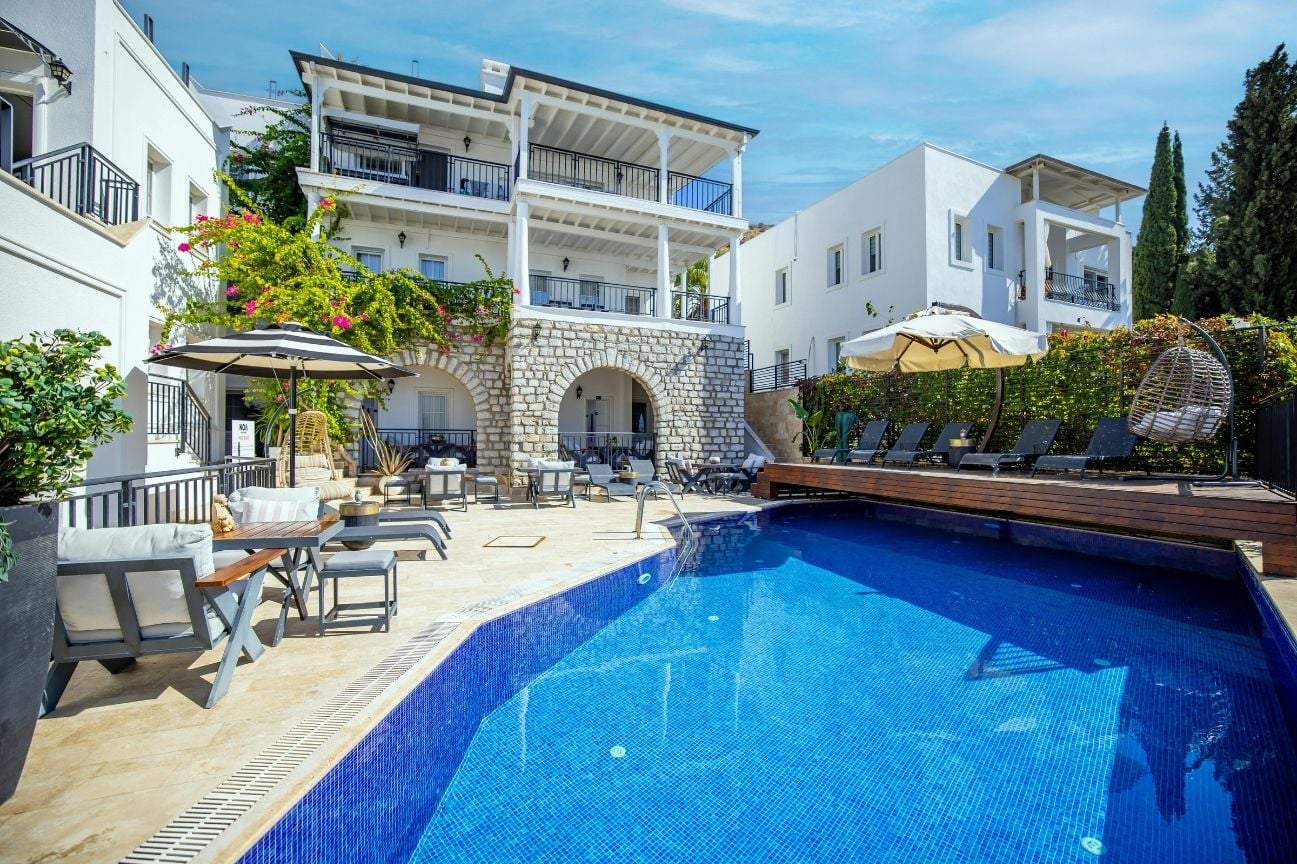
Hotels and hospitality properties carry a level of complexity that few other commercial asset types match. Around-the-clock operations, public access, intensive HVAC and plumbing loads, brand-driven property improvement requirements, and the interaction between guest experience and physical condition all influence how a hospitality property should be evaluated. Core Building Inspections performs hotel and hospitality inspections for buyers, sellers, lenders, and operators across the Philadelphia metro area and the broader PA, NJ, NY, and DE region.
Our hospitality inspections are performed in general conformance with ASTM E2018 and are structured to support acquisition due diligence, brand transitions, refinancing, and ongoing capital planning. As CCPIA, ICC, and ASTM-credentialed inspectors, we evaluate limited-service, select-service, full-service, extended-stay, boutique, and independent hotel properties.
Each inspection is scoped to the property’s segment, age, brand standards if applicable, and the transaction. We focus on the systems and risk areas that actually influence value, financing, and the cost of bringing a property up to current operating standards.
Hospitality assets operate continuously and are evaluated on systems that face heavy, sustained use. A 24/7 occupancy pattern means HVAC, plumbing, electrical, life safety, and finish systems all wear faster than they would in an office or retail context. Guest expectations and brand standards add a layer of capital exposure beyond what is strictly necessary for the building to operate.
Hotel inspections also have to capture the full set of guest-facing spaces — guest rooms, corridors, lobby, food and beverage areas, meeting and event space, pool and fitness amenities, and back-of-house operations — alongside the central building systems. The interaction between guest experience and physical condition is what distinguishes hospitality inspection work from a generic commercial inspection.
Our reports address both the asset and the operational reality of running a hotel.
Hotel roofs range from sloped shingle on limited-service properties to large low-slope membrane on full-service and high-rise hotels. We evaluate the membrane or roofing material, flashings, drainage, parapets, and rooftop equipment penetrations.
EIFS, stucco, masonry, siding, sealants, balconies, windows, and entrances are reviewed for weather tightness and deterioration. Balcony and exterior corridor condition is a notable consideration on older mid-rise hotel formats.
Hotel HVAC varies widely. PTAC and PTHP units in limited-service properties have their own evaluation considerations. Central chiller, boiler, and air handler systems in full-service properties are evaluated for condition, apparent age, and remaining useful life. Kitchen exhaust and laundry mechanical loads add complexity.
Hotel electrical service supports significant continuous load. We review service entrance, distribution, panels, emergency systems, and visible wiring for general condition and capacity.
Domestic water, sanitary waste, water heaters, fixture condition, and visible plumbing are evaluated. Hot water capacity and supply line condition are common areas of attention given guest demand and the consequences of failure.
Sprinklers, alarm systems, emergency lighting, exit signage, means of egress, and fire-rated separations are reviewed at an observational level. Older hotel formats may have life-safety considerations that warrant specific documentation.
Elevators are observed for general condition and operation. Service contracts and maintenance records are reviewed where provided.
A representative sample of guest rooms is evaluated for finish condition, FF&E, HVAC operation, plumbing fixture condition, and general wear. Corridor finishes, lighting, and life-safety features are reviewed.
Lobby, breakfast area, food and beverage outlets, meeting and event space, pool and pool equipment, fitness rooms, and business centers are reviewed for condition and capital needs.
Hotels face strict ADA scrutiny across public areas, guest rooms, and amenities. We identify observable accessibility concerns and recommend a focused review where indicated. See our Accessibility Inspections page for more.
Parking lots, sidewalks, drainage, exterior lighting, landscaping, signage, and pool decking are reviewed.
Hospitality property has a recognizable risk profile. Aging PTAC units in limited-service hotels, end-of-life central plant equipment in full-service properties, EIFS and stucco failures on 1990s and 2000s builds, pool equipment, and aging guest-room finishes are all recurring items.
For branded hotels, the most significant capital exposure is often the Property Improvement Plan (PIP) tied to a franchise agreement or brand transition. Our inspections frequently support PIP scoping conversations by clearly documenting current condition. For granular cost forecasting that aligns with PIP line items, see our Cost to Cure Reporting service.
Hospitality capital planning involves both building systems and FF&E. Building systems follow conventional remaining-useful-life logic; FF&E and finish renewal follow shorter cycles driven by brand standards and guest expectations. Our reports provide professional opinions on building system useful life and identify the capital line items most relevant to ownership. For larger acquisitions and refinances, this aligns with our Property Condition Assessment scope.
Our hospitality inspection clients include hotel buyers and sellers, franchisees, independent operators, REITs, private investors, banks and credit unions, attorneys, brokers, and asset managers. Reports are structured for transaction use, PIP planning, and ongoing portfolio management.
We provide hotel and hospitality inspections throughout the Philadelphia metropolitan area, all of New Jersey, New Castle County in Delaware, and select markets in New York. Our regional footprint supports both single-asset transactions and multi-property portfolios.
For broader hospitality industry context, see the American Hotel & Lodging Association.



Certified under nationally recognized commercial inspection standards to ensure consistency, accuracy, and professional accountability.

CCPIA Certified
Certified under nationally recognized commercial inspection standards to ensure consistency, accuracy, and professional accountability.

ICC Certified
Ongoing education and training aligned with current safety practices, codes, and inspection methodologies.

ASTM Member
Inspections performed in general conformance with ASTM standards, supporting due diligence and lender requirements.

Years of Experience
Extensive field experience inspecting diverse commercial properties across multiple asset types and markets.

Highly Trained
Continuous training and practical expertise focused on risk identification, system performance, and long-term planning.
Yes. Our inspections document current condition in a format that aligns with PIP scoping. Where granular line-item cost forecasting is needed, our Cost to Cure Reporting service supports the deeper financial analysis.
Most inspections involve a representative sample of guest rooms across different floors, room types, and exposures. Larger sample sizes can be requested when the transaction or PIP scope warrants it.
Yes. Pool deck, pool equipment, fencing, and visible pool systems are reviewed at an observational level.
Yes. We routinely support pre-conversion due diligence, identifying the building and finish items most likely to influence PIP cost and brand approval timing.
Our hotel inspections are performed in general conformance with ASTM E2018 and are formatted for use by lenders, credit committees, and institutional investors.
A limited-service hotel is typically a single-day site visit with one-to-two-week report turnaround. Larger full-service and resort properties may require multiple days and a longer report cycle.
